
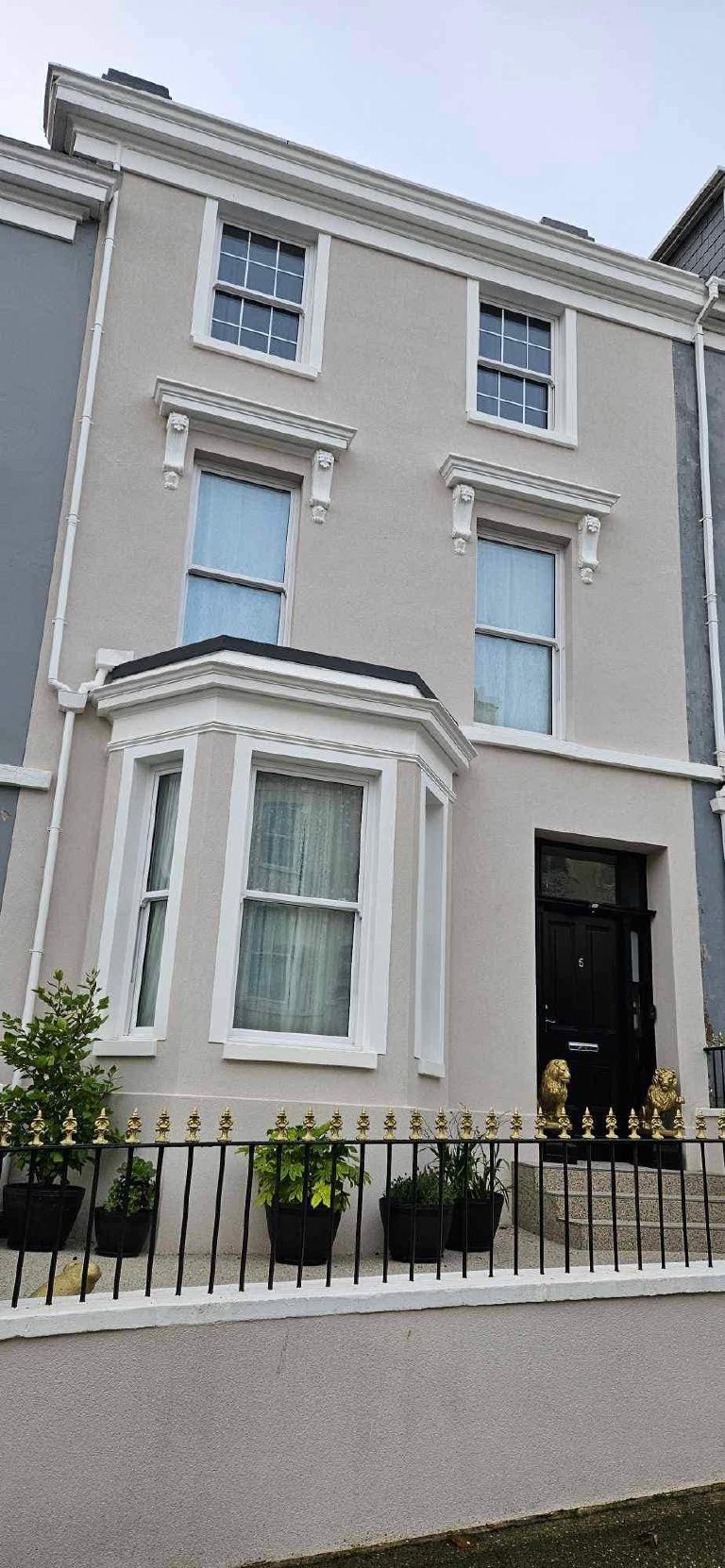
Ecorend Silicone Render
Isle of Man
2024
Nearly half our work is external, and the conditions here are the reason the specification matters more than it would elsewhere. Wind-driven rain, salt on any elevation within sight of the sea, and a great many solid-walled properties that were never built to be sealed.
An older solid wall has to let moisture out through its face. Put a film-forming coating on it and the water has nowhere to go: it sits in the wall until it pushes the coating off, taking the surface with it. We are called to undo that more often than anything else. Where a building is old, the system has to be breathable — lime, mineral, or cork.
The assumption is usually that old dash or failed render has to come off first. Often it does not. Spray cork is super-adhesive and takes to dash; thin coat systems go over sound render. That is faster, cheaper and far less disruptive than hacking a house back to brick — but it only works where what is underneath is sound, which is the first thing we check.
Over a third of the heat lost from a property goes through the walls. Where there is something to insulate into, external wall insulation with a render over it is the thorough answer. Where there is not — a solid wall, or a building that cannot be altered outside — sprayed cork works from the inside at about 8mm.
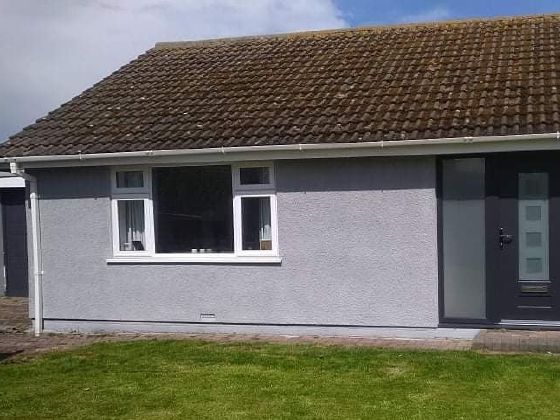
Insulating, breathable, algae and salt resistant, and it goes over existing pebbledash.
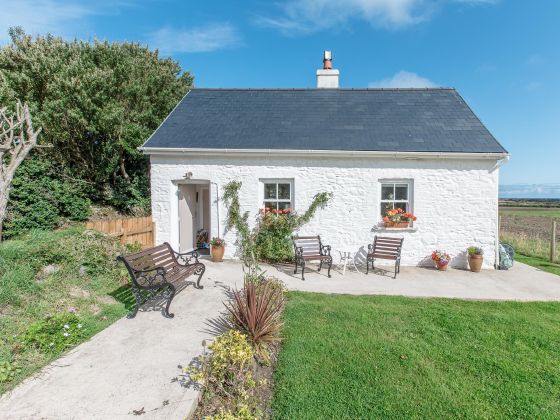
The breathable route for older and registered buildings.
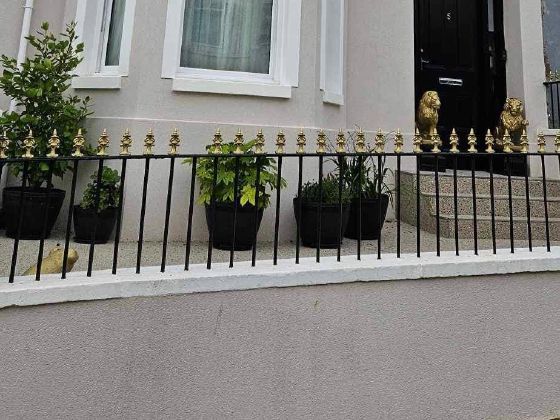
Mesh-reinforced, flexible, applied over an existing wall.
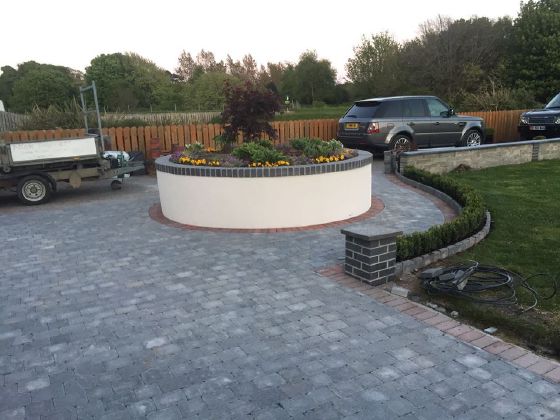
The colour runs through the render.
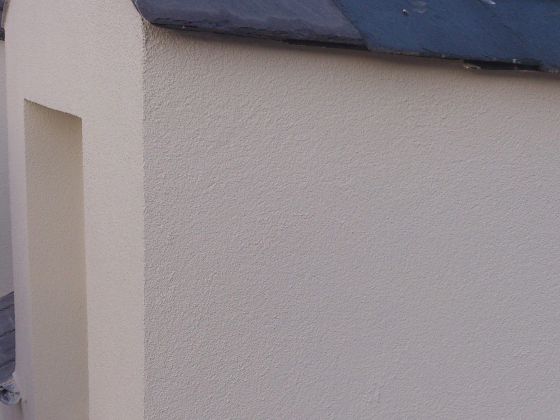
Insulation fixed to the wall, then a light weight render over it.
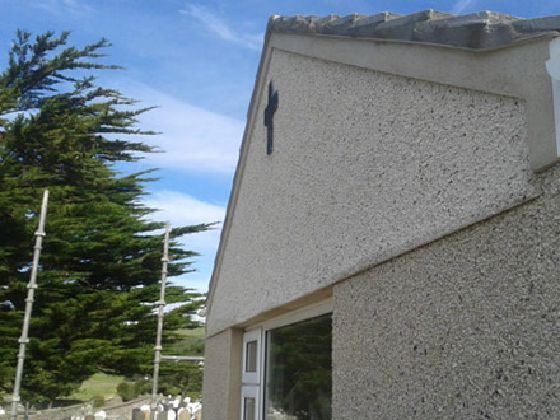
Where matching what is there matters.
What the wall is built of decides everything. A solid stone wall has to breathe; a modern cavity wall does not care. Getting this wrong is what causes most of the render failures we are called out to.
Cork, lime, thin coat, monocouche or traditional — chosen on the building rather than on preference, and then the colour and texture chosen on top of that.
Blown render cut out, pointing repaired, algae killed off, salt washed down on a coastal wall. Nothing goes over a surface that is not sound.
Most modern systems are a base coat with an alkali-resistant fibre mesh bedded into it. The mesh is what lets the wall move without the render cracking.
Through-coloured silicone, mineral or cork, in the texture chosen. On a through-coloured system the colour goes all the way in, so a chip does not show as a scar.
Isle of Man
2024
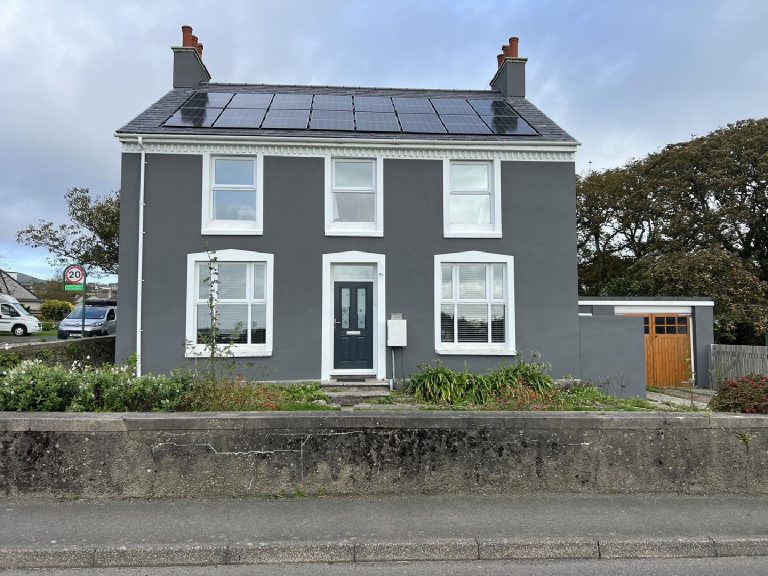
Colby, Isle of Man
2023
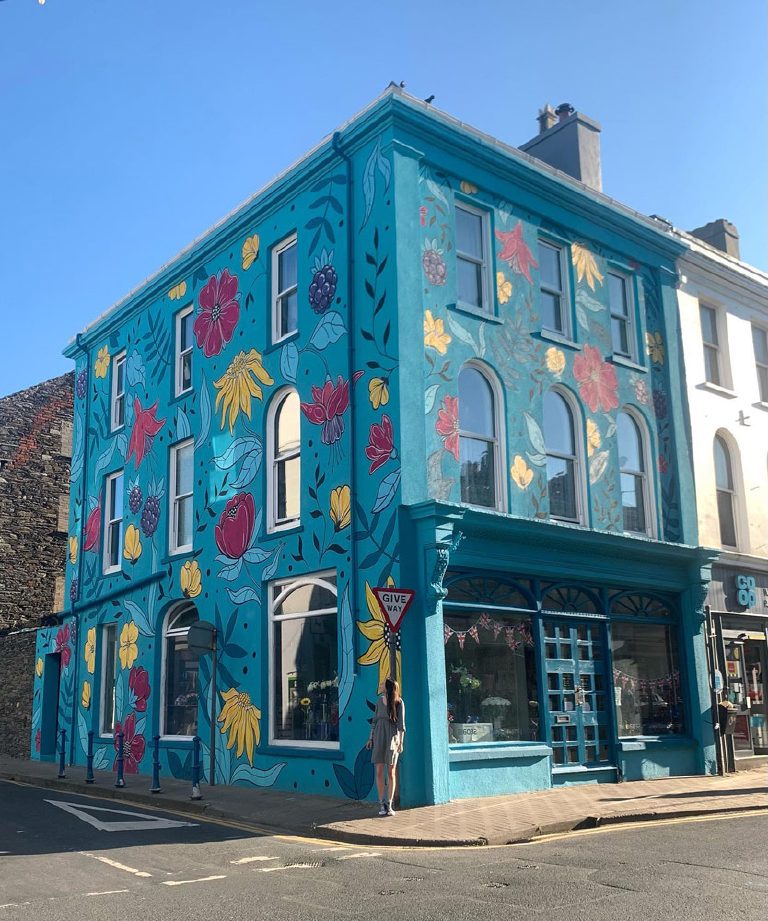
Parliament Street, Ramsey, Isle of Man
2022
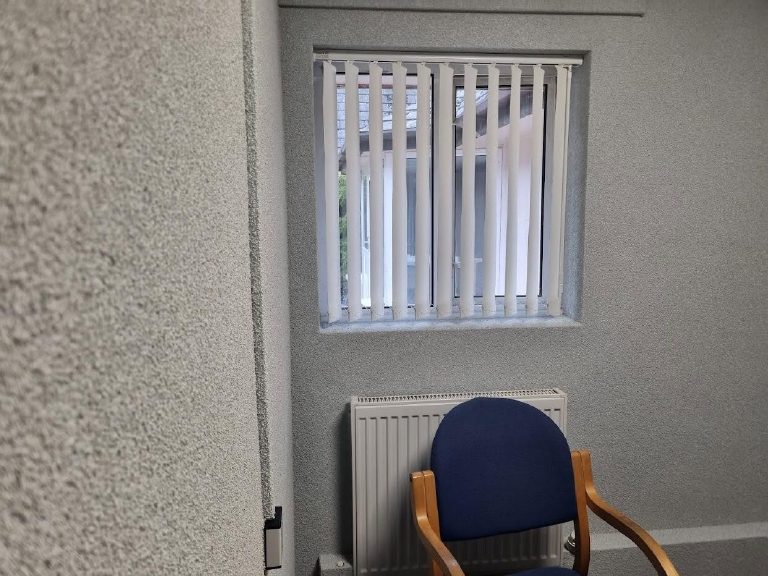
Isle of Man
2022
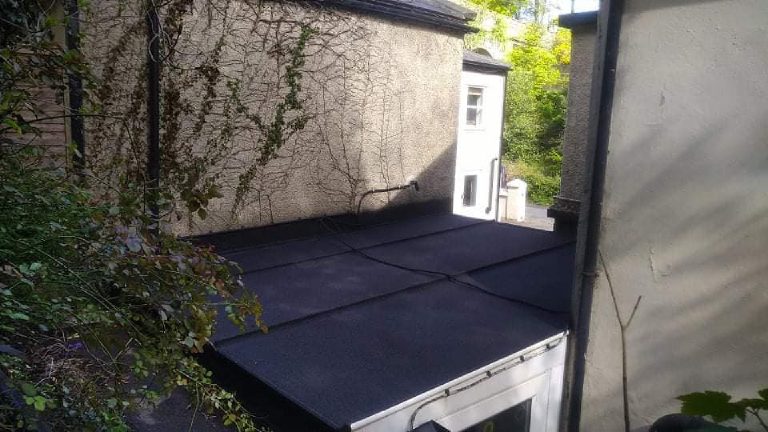
Laxey, Isle of Man
2021
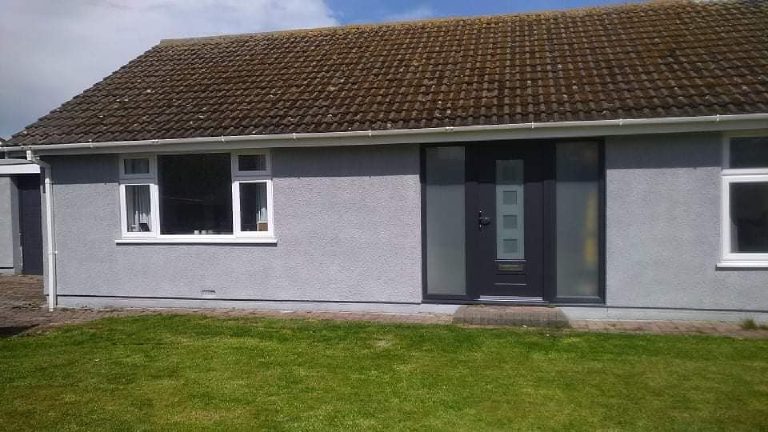
Castletown, Isle of Man
2021
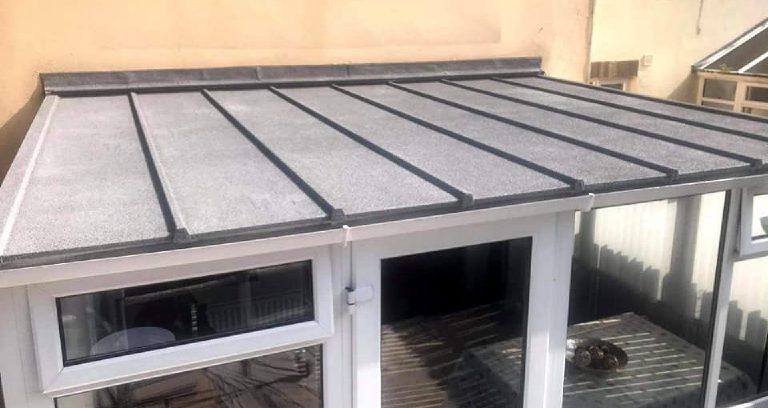
Andreas, Isle of Man
2021
Isle of Man
2021
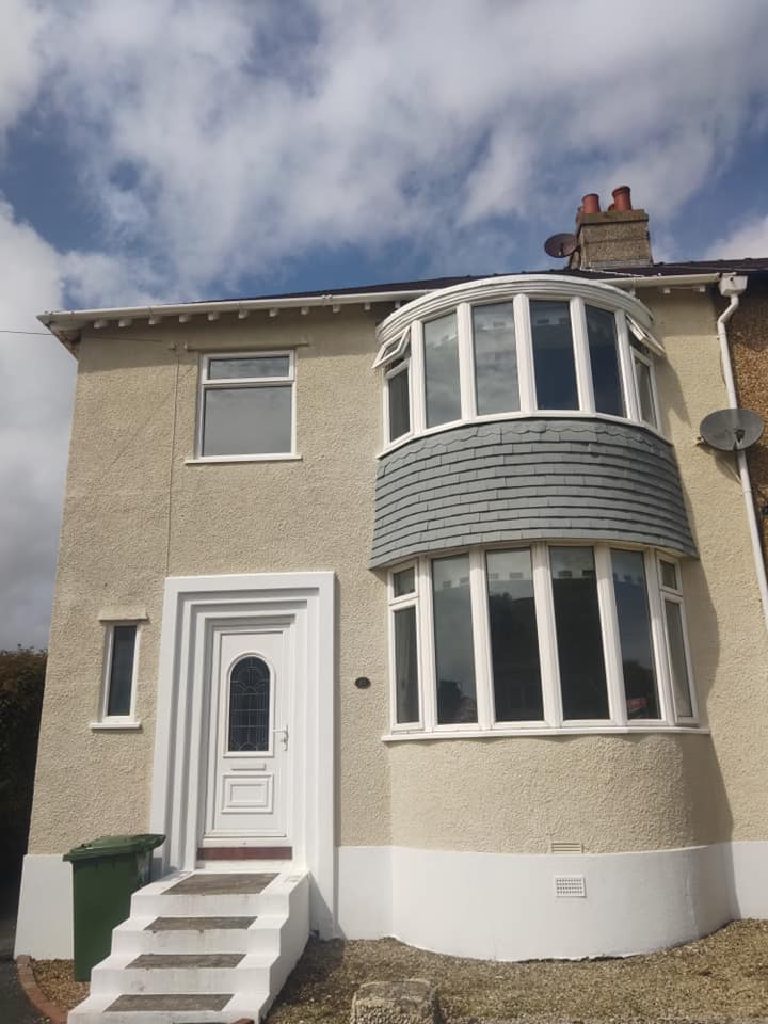
Onchan, Isle of Man
2020
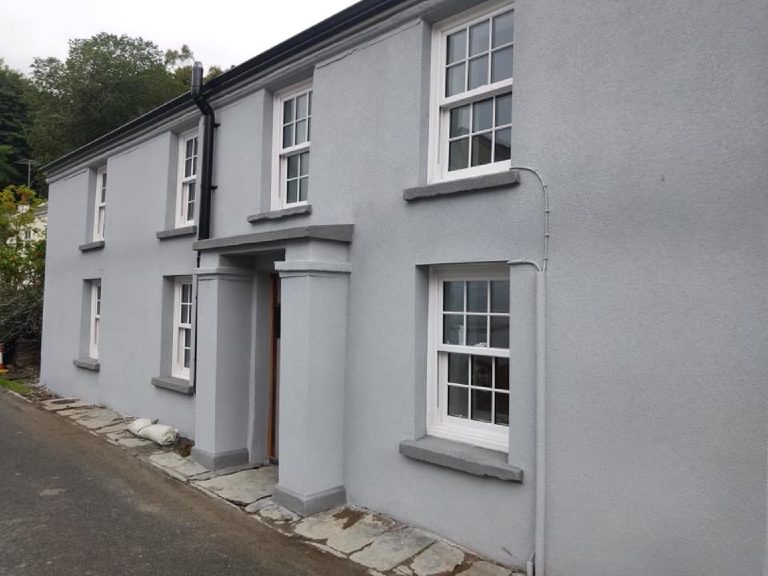
Laxey, Isle of Man
2020
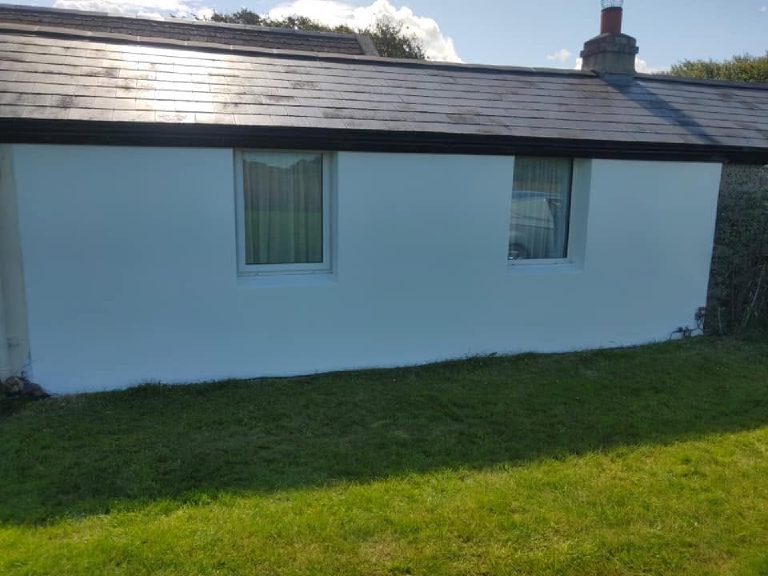
Isle of Man
2020
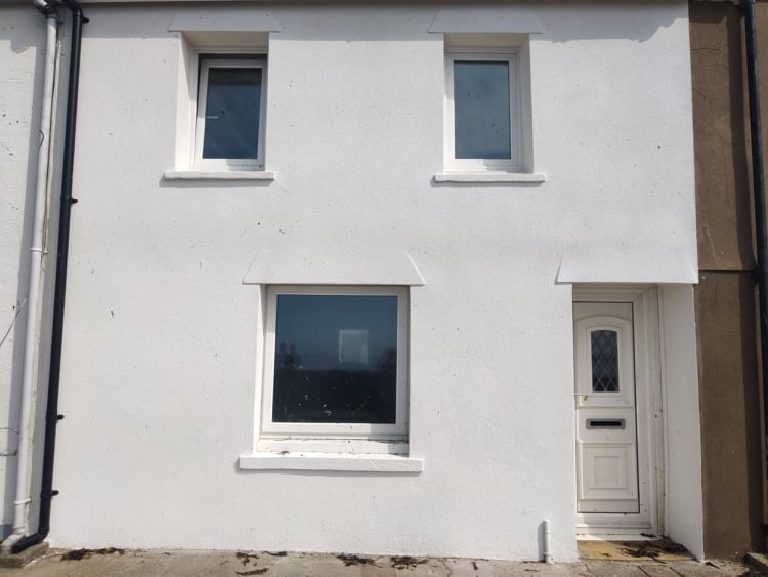
Castletown, Isle of Man
2020
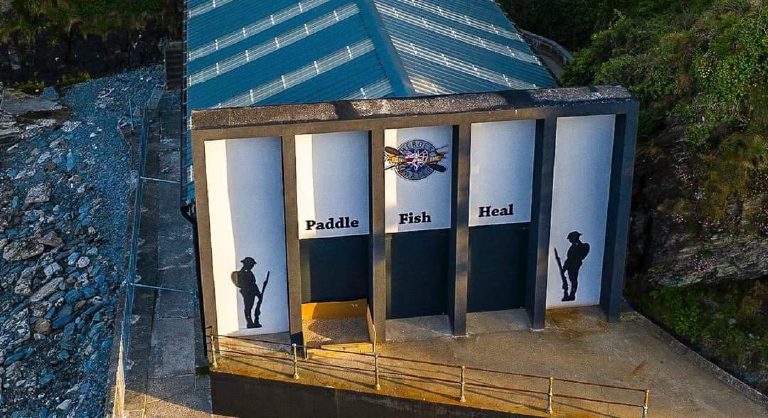
Port Soderick, Isle of Man
2019–2020
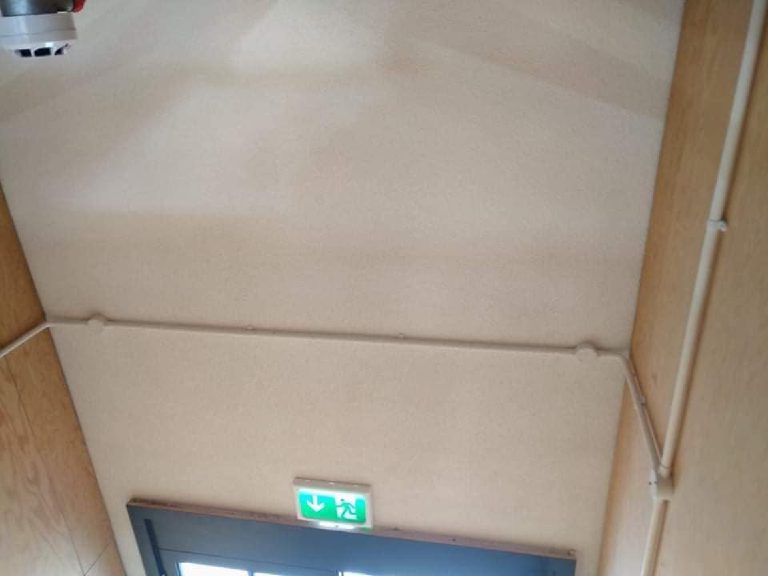
Douglas, Isle of Man
2020
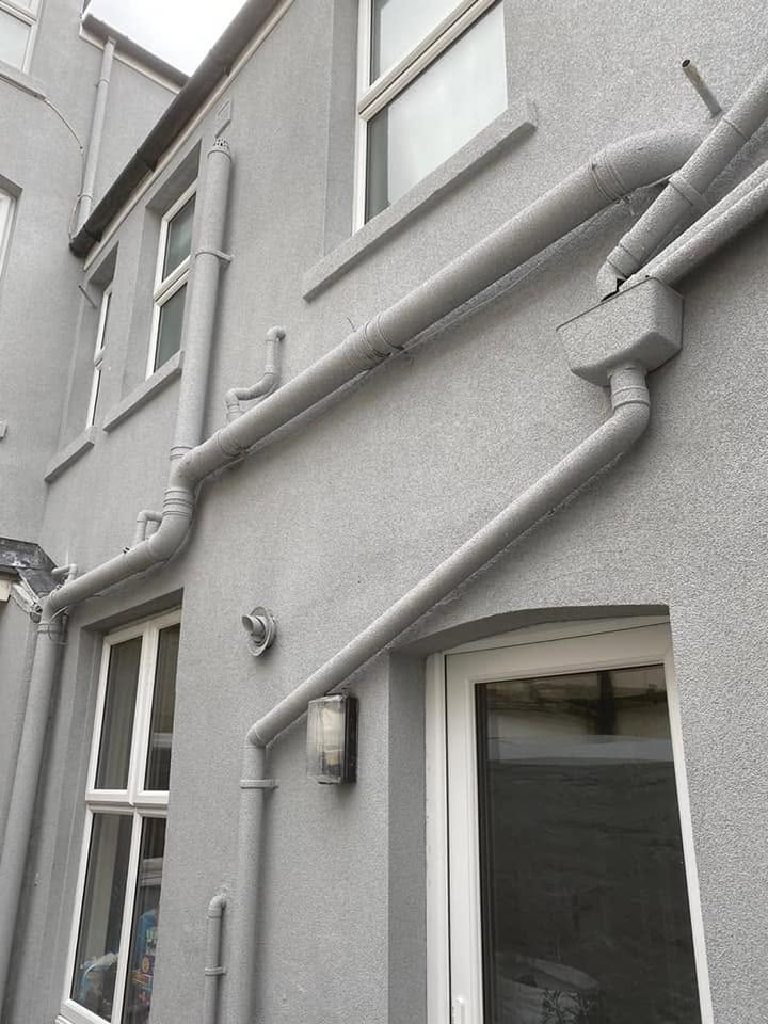
Douglas, Isle of Man
2020
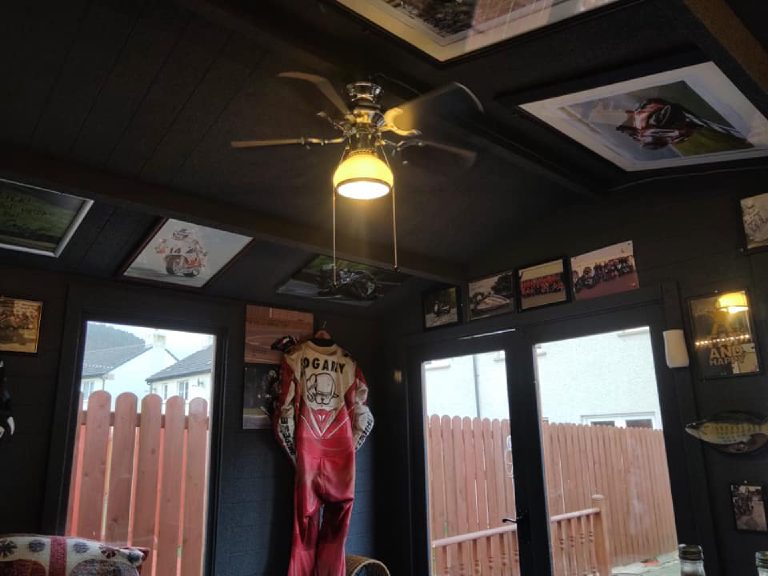
Ramsey, Isle of Man
2020
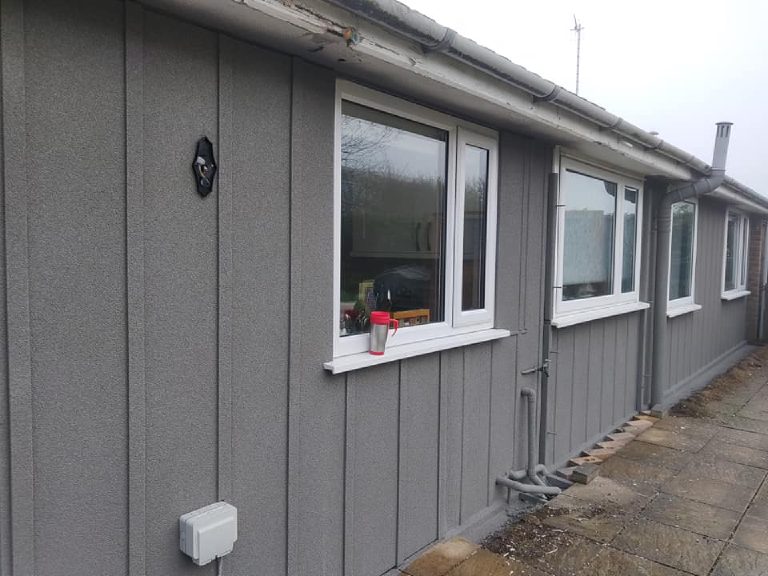
Castletown, Isle of Man
2020
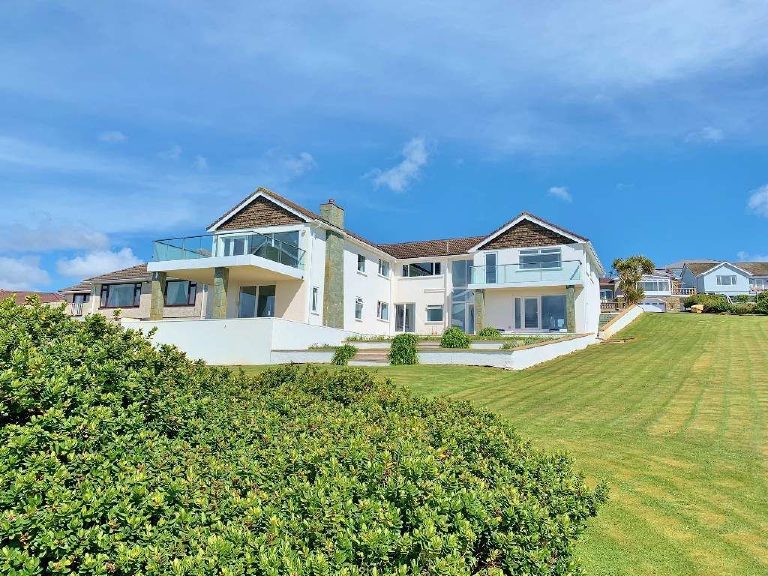
Onchan Head, Isle of Man
2016
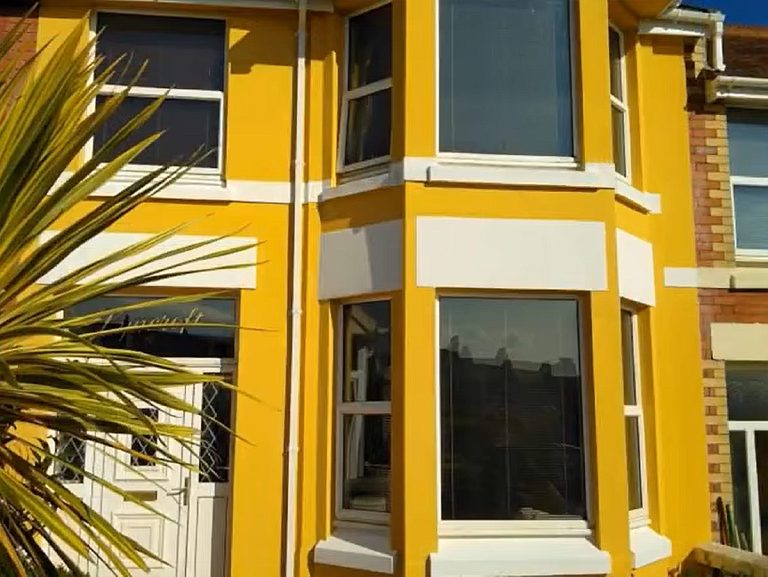
Isle of Man
2016

Bride, Isle of Man
2016
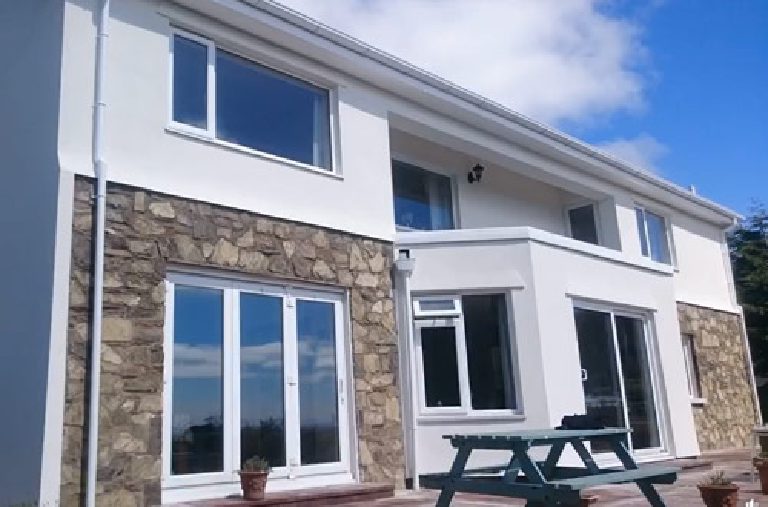
Bradda Head, Isle of Man
2016
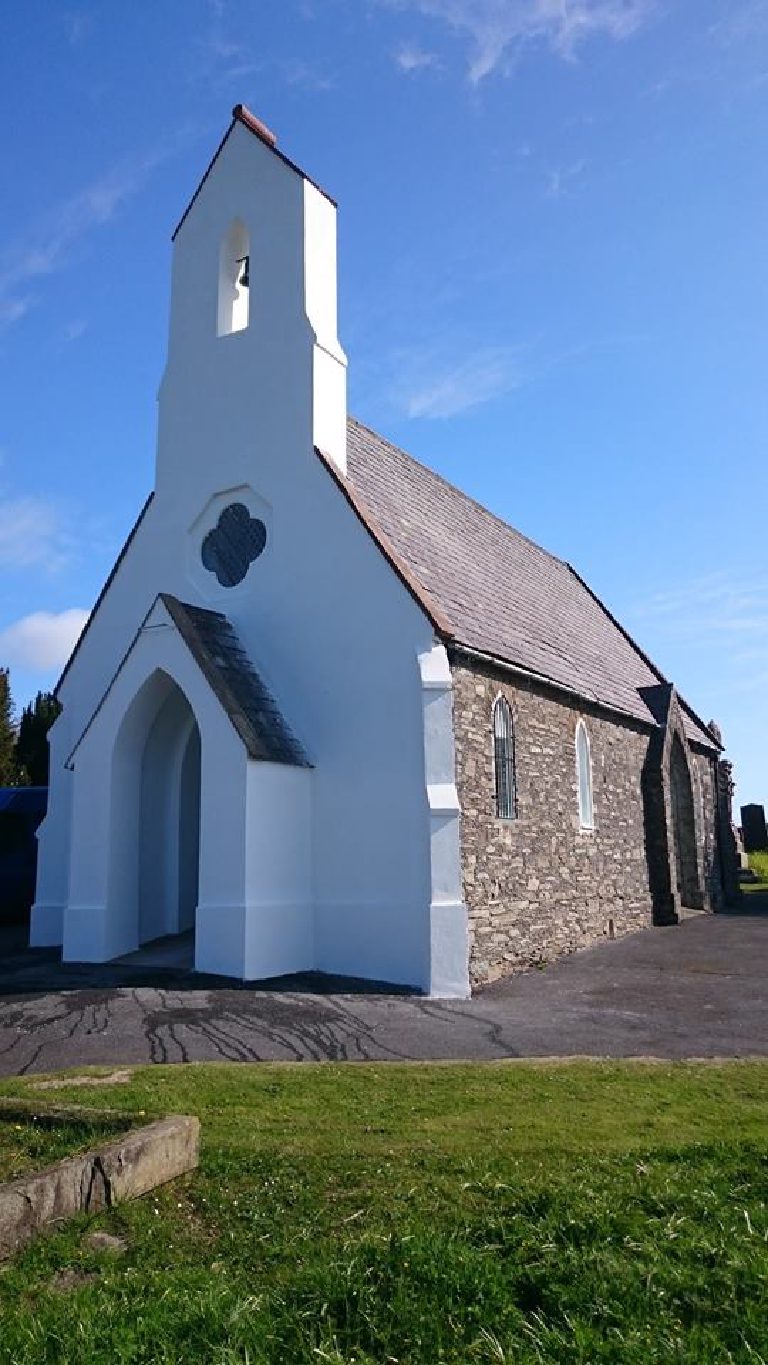
Braddan, Isle of Man
2016
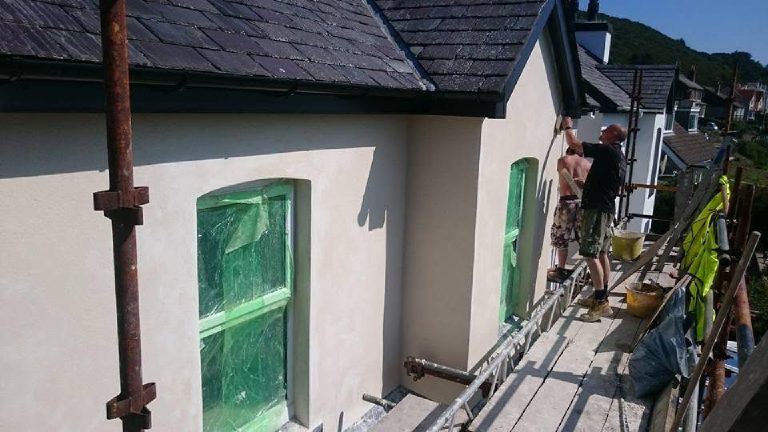
Bradda Head, Isle of Man
2016

Douglas, Isle of Man
2015
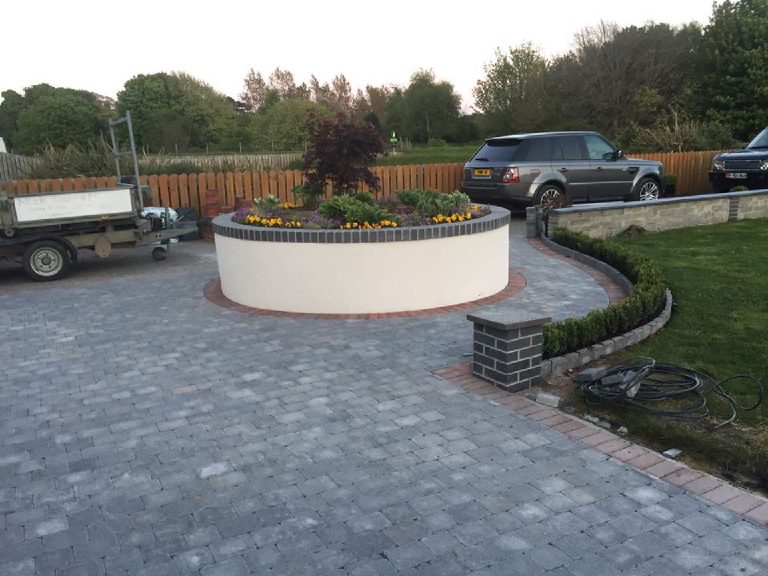
Dalton, Isle of Man
2015
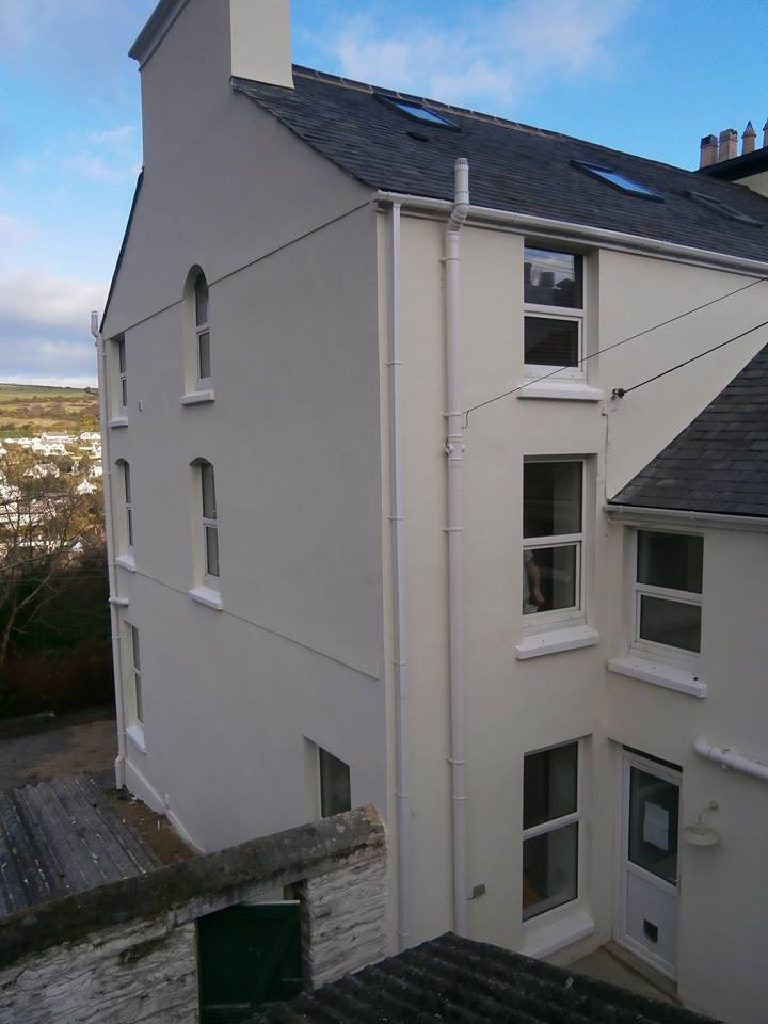
Laxey, Isle of Man
2015

Douglas, Isle of Man
2015
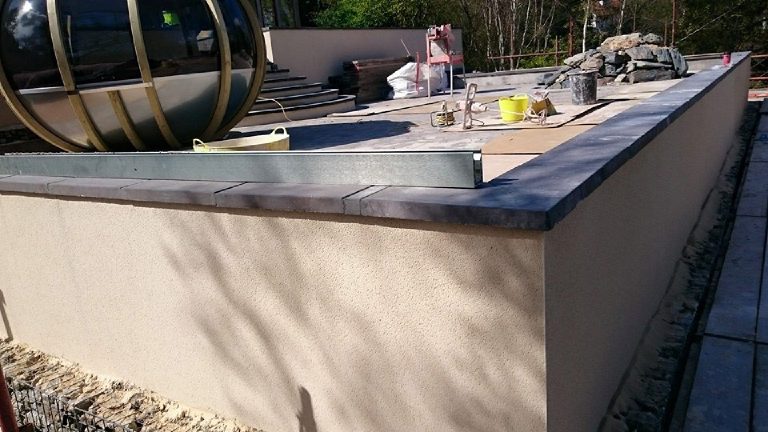
Isle of Man
2015
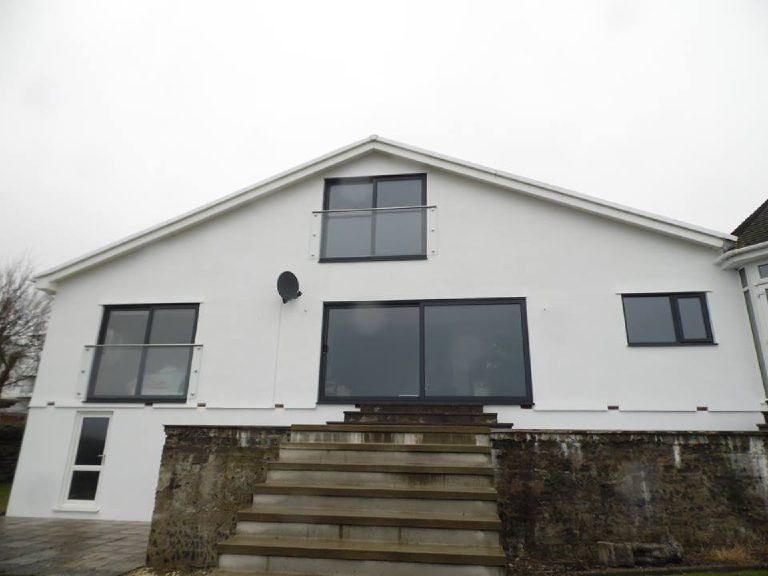
Isle of Man
2015
Isle of Man
2015
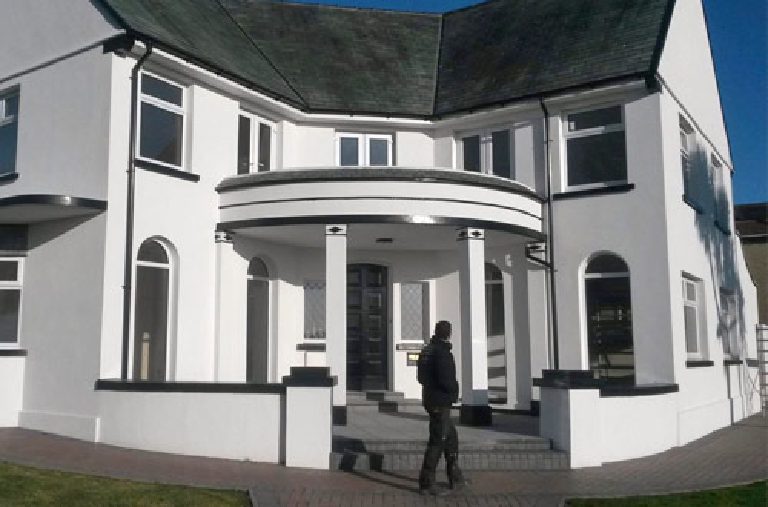
Douglas, Isle of Man
2014

Andreas, Isle of Man
2014
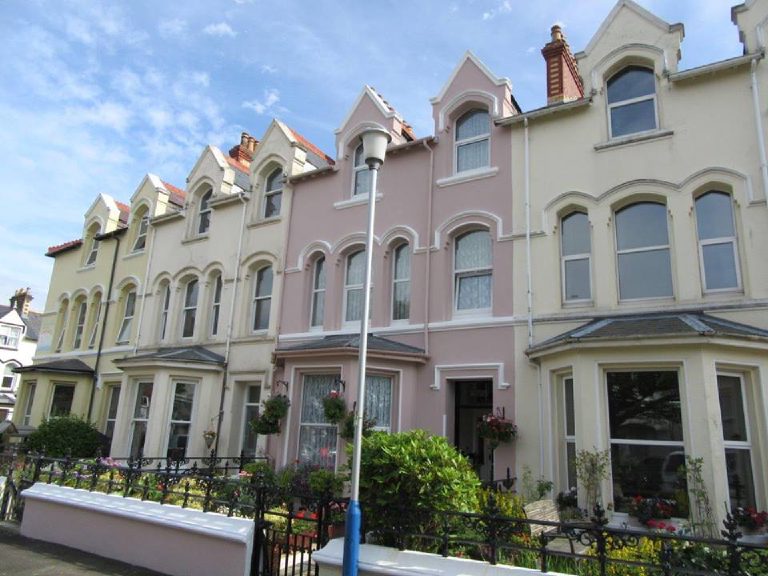
Grosvenor Road, Douglas, Isle of Man
2014

Douglas, Isle of Man
2014
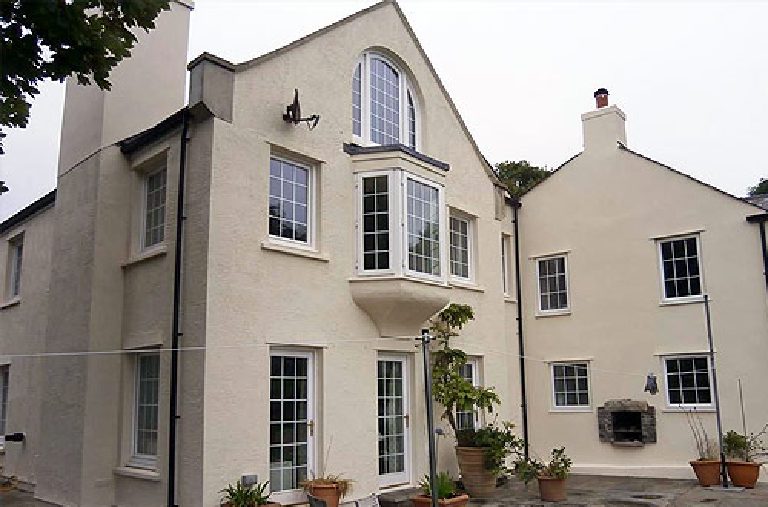
Santon, Isle of Man
2014

Peel, Isle of Man
2014
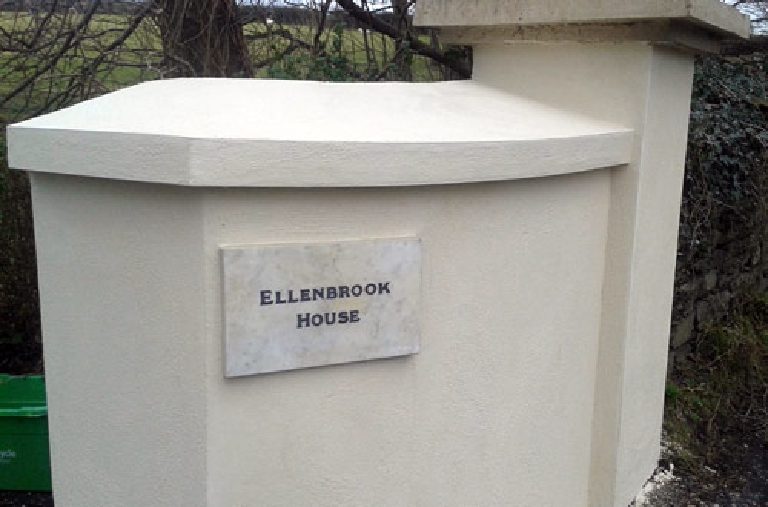
Douglas, Isle of Man
2014
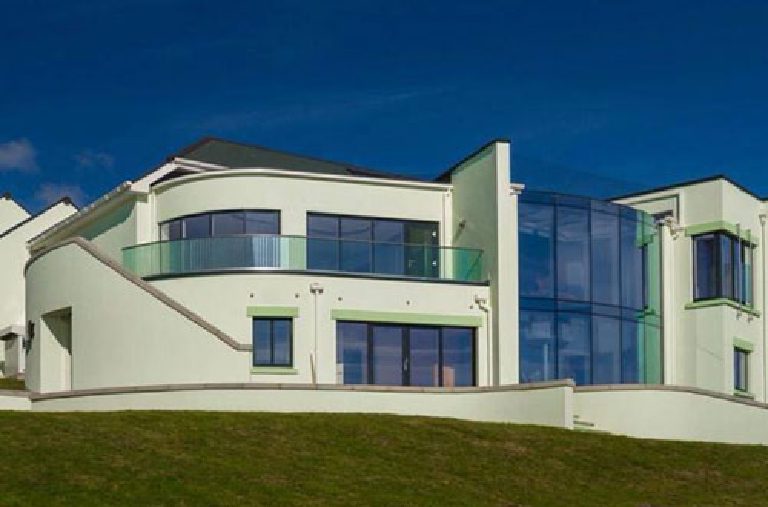
Onchan Head, Isle of Man
2013
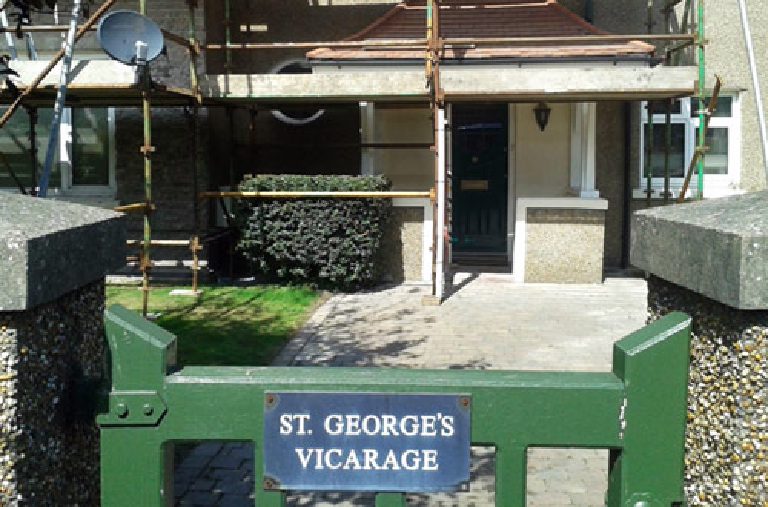
Douglas, Isle of Man
2013
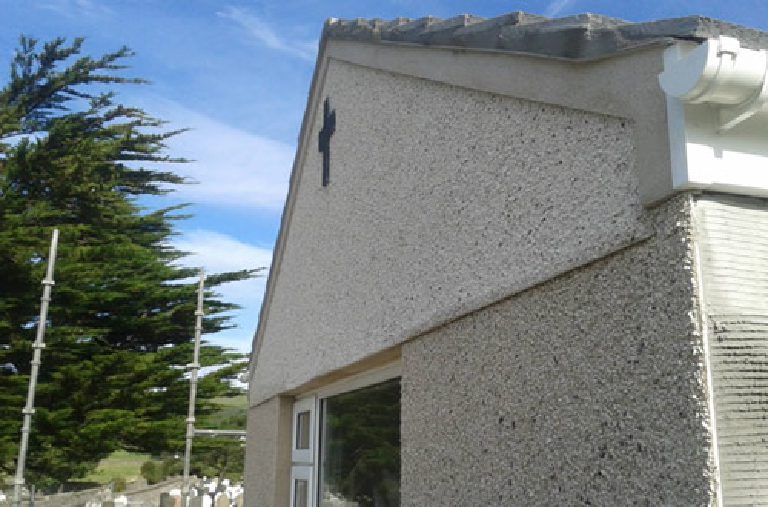
Rushen, Isle of Man
2013
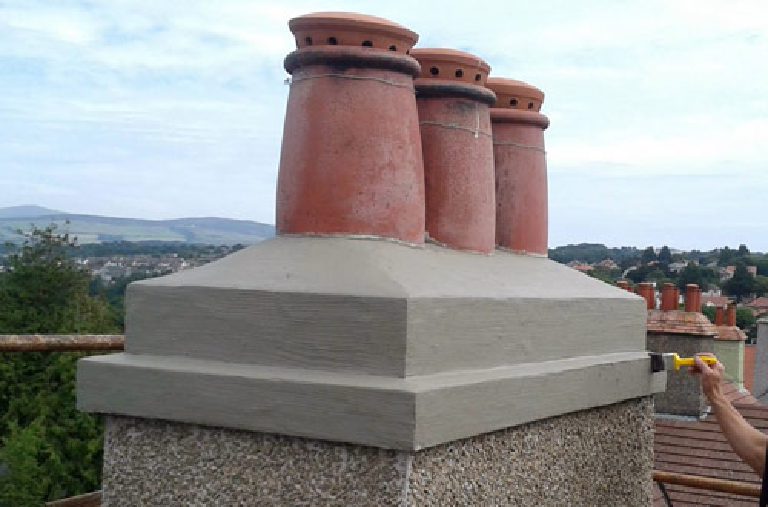
Douglas, Isle of Man
2013
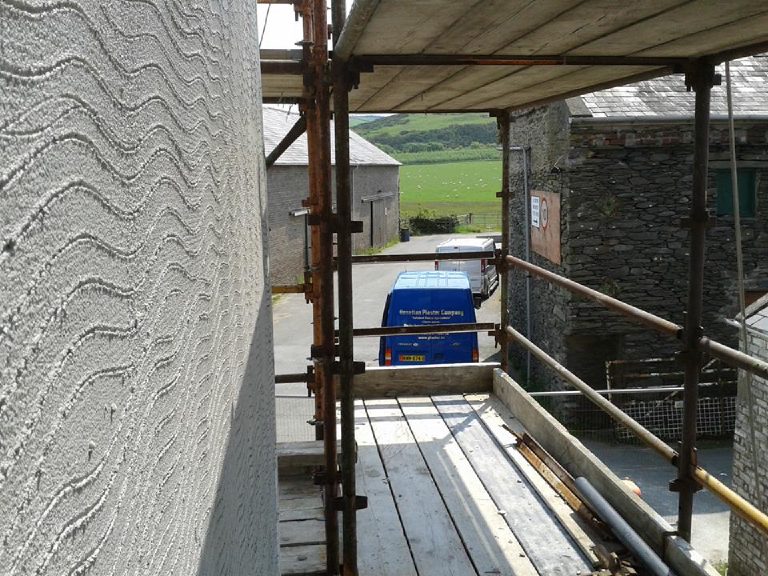
Kirk Patrick, Isle of Man
2013
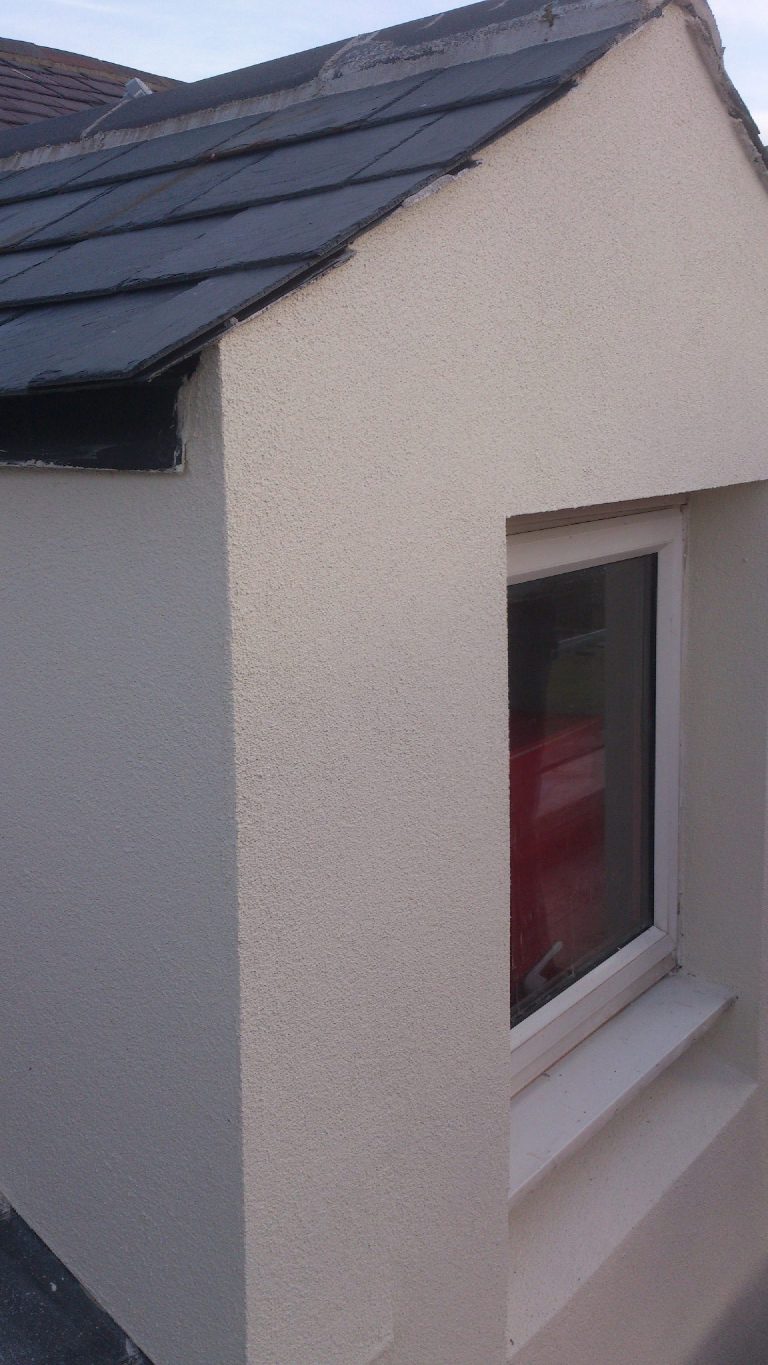
Isle of Man
2013
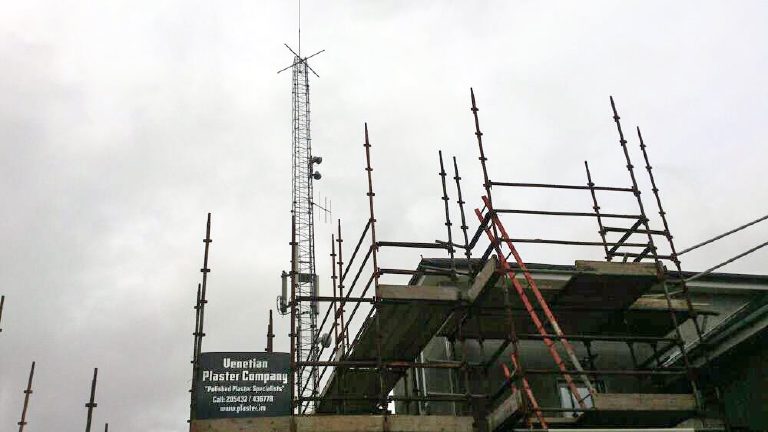
Douglas Head, Isle of Man
2013
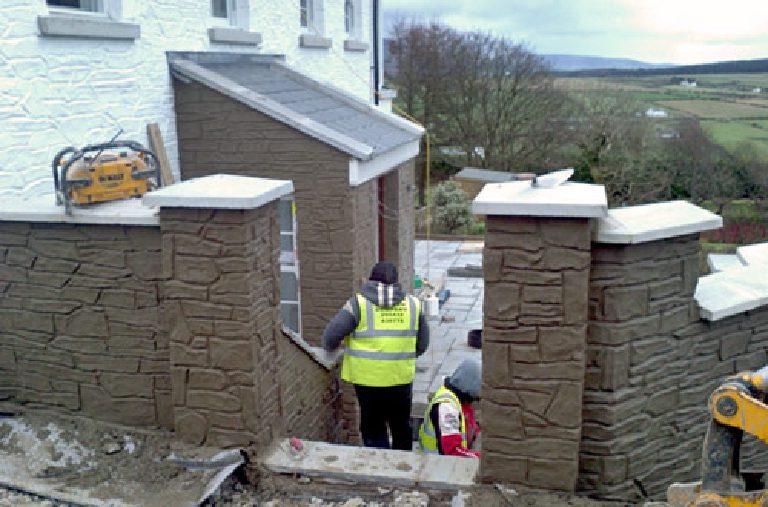
Nr Foxdale, Isle of Man
2011
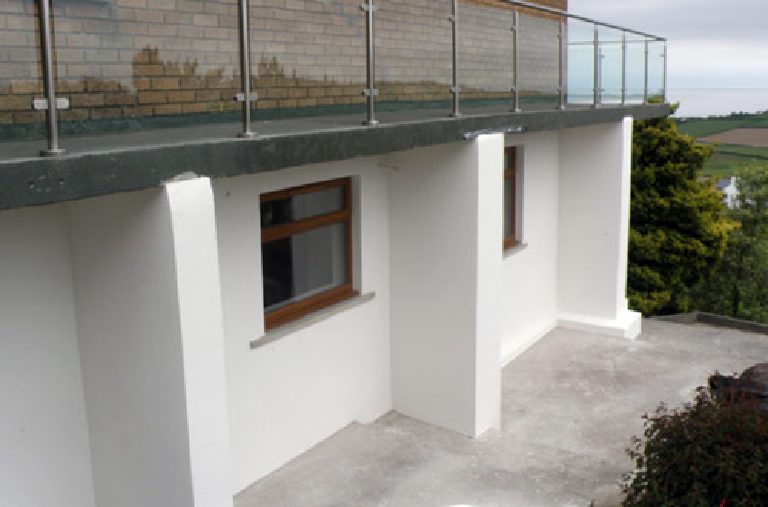
Maughold, Isle of Man
2011
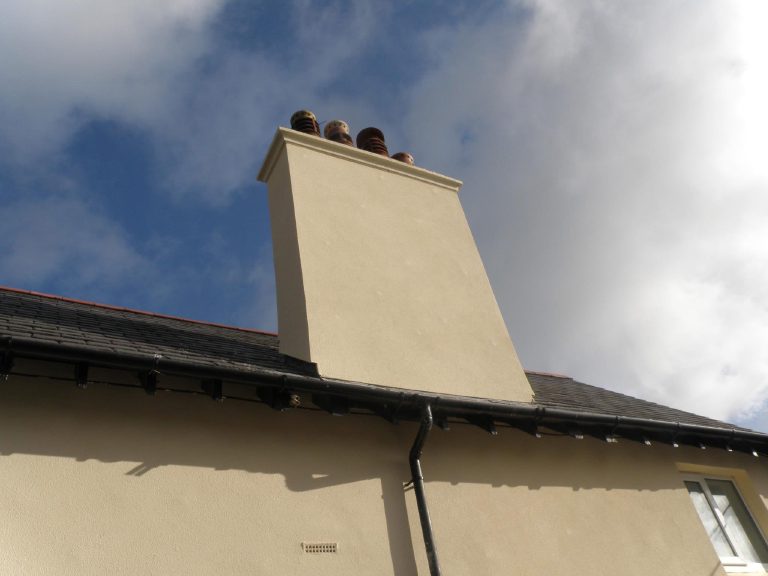
2011
Get in touch to discuss your project — from a single feature wall to a complete renovation, we'd love to help.