
Repairs and upkeep
These finishes are durable rather than indestructible. Things get moved, walls get knocked, and a building work in one room can damage a finish in another.
Repairing a hand-applied finish
A hand-applied surface has no repeat and no straight edges, which cuts both ways. There is no factory colour to order, so a repair has to be matched on site; but there is also no pattern to line up, so a well-matched repair disappears completely. We would rather match to the wall than to the original spec, because the wall is what people will be looking at.
Finishes we did not apply
We will look at those too. It is not always possible — some products cannot be matched, and some damage is a symptom of something behind the wall that has to be fixed first — but it is usually worth a look before anyone starts talking about redoing the whole room.
Before you clean it
The commonest way a good finish gets damaged is by being cleaned too hard. Abrasives take the burnish off a polished plaster, and a jet wash held close will damage cork. If you are not sure what you have, ask us before you start.
Looking after what you have

Interior plaster finishes
Wipe clean; a sealed or lacquered finish will take a scrub.
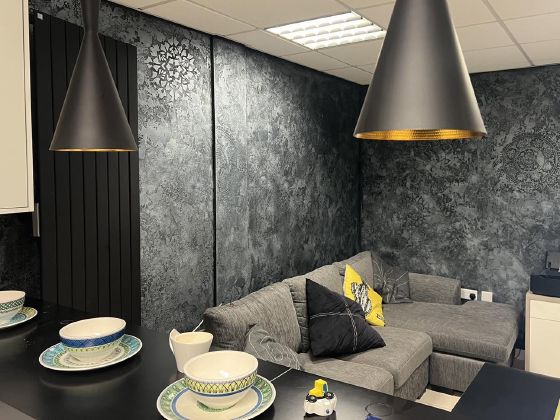
Waxed finishes
The wax is the wear layer and can be refreshed.
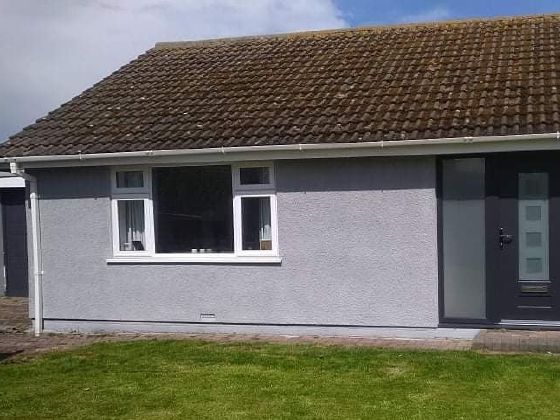
Cork render
A wash down once a year; if you jet wash it, keep the pressure low and the lance well back.
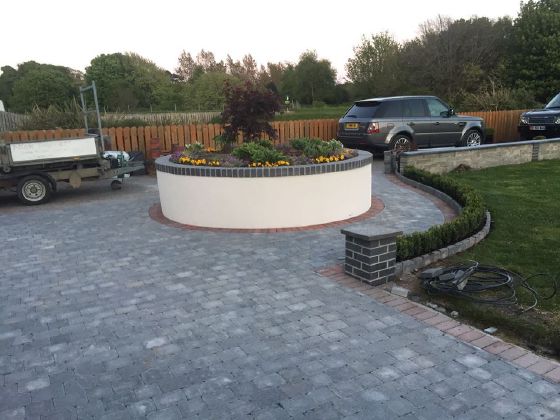
Through-coloured render
The colour goes all the way in, so a chip does not show as a scar.
Our Process
1. Look at the damage
What caused it matters more than what it looks like. A scuff is a repair; a stain coming through from behind is a different job and patching it will not last.
2. Match it
Colour, texture and sheen all have to match, and the original will have changed slightly with age. This is the part that decides whether a repair is invisible.
3. Repair and blend
Worked back into the surrounding surface rather than filled. On a hand-applied finish there is no straight edge to hide behind, so a repair is blended out.
4. Re-seal
Where the finish carried a wax, lacquer or sealer, the repaired area gets the same treatment so it wears at the same rate as the rest.
Ready to Transform Your Space?
Get in touch to discuss your project — from a single feature wall to a complete renovation, we'd love to help.