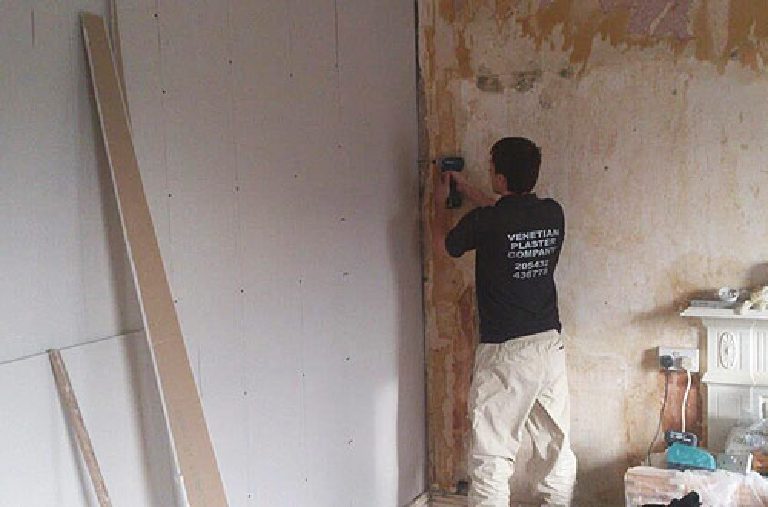
Bedroom Re-Creation
Onchan, Isle of Man
2013
This is the trade rather than a product: the actual application of everything on the finishes pages, interior and exterior, residential and commercial.
Very little of what we do is a single coat of anything. A Venetian plaster is built up in coats and then burnished; a render system is a base coat with mesh bedded into it and then a top coat; a sealed flake finish is sprayed and then lacquered. Every layer has to be right before the next one goes on, which is why the timescale on a job is mostly drying time rather than working time.
Preparation. A decorative finish is a few millimetres thick and it will not hold a wall together, hide a damp problem or bridge something that has blown. Where the wall is sound we can often work straight over what is there — over tiles, over dash, over old render, which saves the mess and the skip. Where it is not, it has to be made good first, and that is better found at quote stage than on the morning.
Most interior finishes are quiet work: no hacking off, no breaking out, and safe to be applied with you still in the house. Spray work has overspray, so rooms want clearing and cars want moving. We will tell you which one your job is before we start.
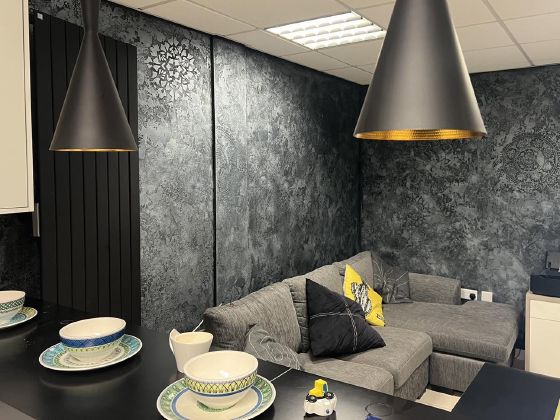
Marmorino, Lucidato, Intona, Travertino, Cadoro and the polished plasters.
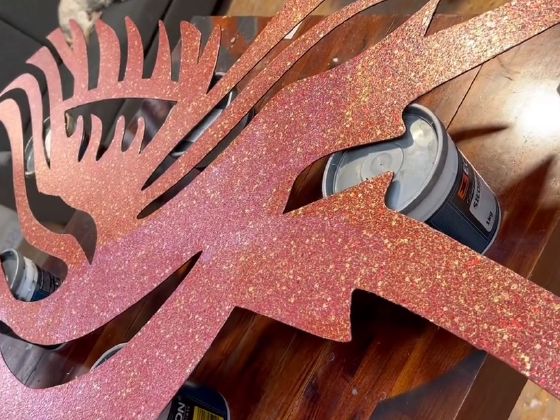
Sealed flake, glitter flake, crystal brush, crystal quartz, pearlescent, foil and real metal.
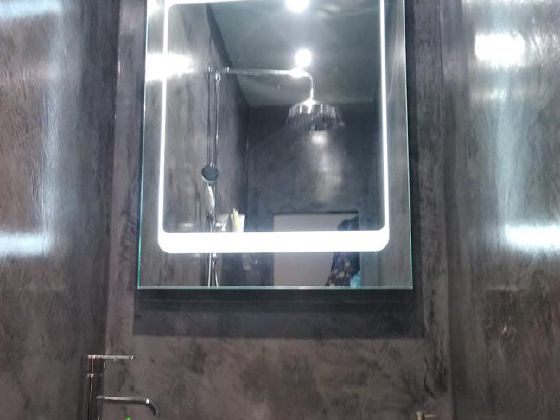
Walls, floors, worktops, stairs and furniture.
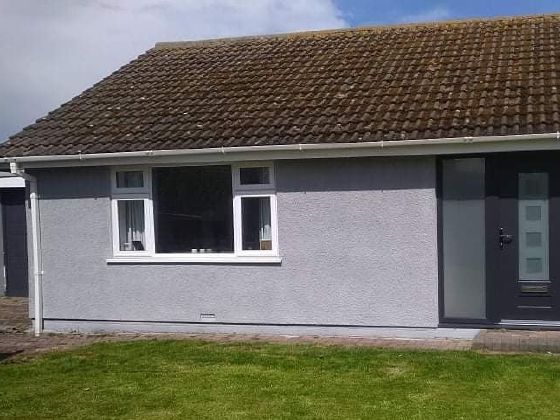
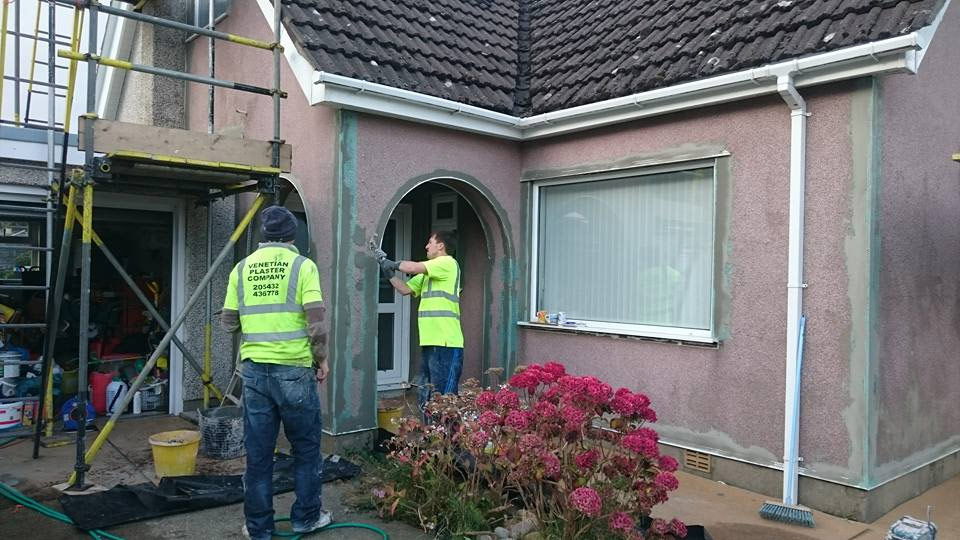
Spray cork, lime and mineral, light weight thin coat, monocouche, cement render and pebbledash.
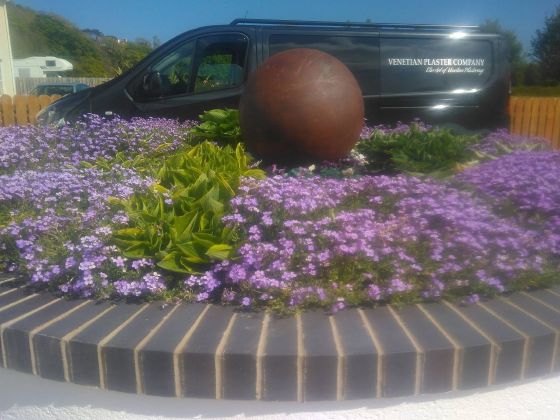
Stencilling, curves and columns, banding and blockwork.
Almost everything that goes wrong with a decorative finish goes wrong underneath it. We look at what is there first — sound or blown, damp or dry, previously painted, previously tiled — because that decides both the system and the price.
Loose material out, repairs made good, dusty surfaces primed. Where a texture would read through and you do not want it to, a base coat goes on to take it out.
Most of our finishes are built in coats rather than laid on in one. Each has to be right before the next goes over it, and most of them have to dry before they can be worked.
This is the part that cannot be hurried and cannot be done by machine — trowel, brush, spray or foil, depending on the finish. It is where the surface actually comes from.
Wax, lacquer, breathable sealer or nothing at all, depending on what the surface has to survive. A kitchen splashback and a feature wall in a bedroom do not get the same treatment.
Get in touch to discuss your project — from a single feature wall to a complete renovation, we'd love to help.